Showing posts with label fall garden. Show all posts

November 7, 2018

Greens In The Fall Vegetable Garden

This is a long post about the greens I'm growing in the fall garden this year. I like to try out a little of everything, so there are lots of varieties. Friday I'll post the different bulbs and root vegetables that are growing in the other half of the garden, if it doesn't end up raining again. 

These photographs are from October 25th so a week and a half ago.
This little back corner of the garden is boxed in by the greenhouse, back fence, and the little wire fence around my garden on the side of which is our shed that offers lots of shade during the winter. Bad shed! Three beds of greens are located in this area with most of them belonging to the mustard family. Asian mustards are fairly mild without the strong spicy bite some mustards are known for. These were all planted September 13th, so about 6 weeks before these pictures.
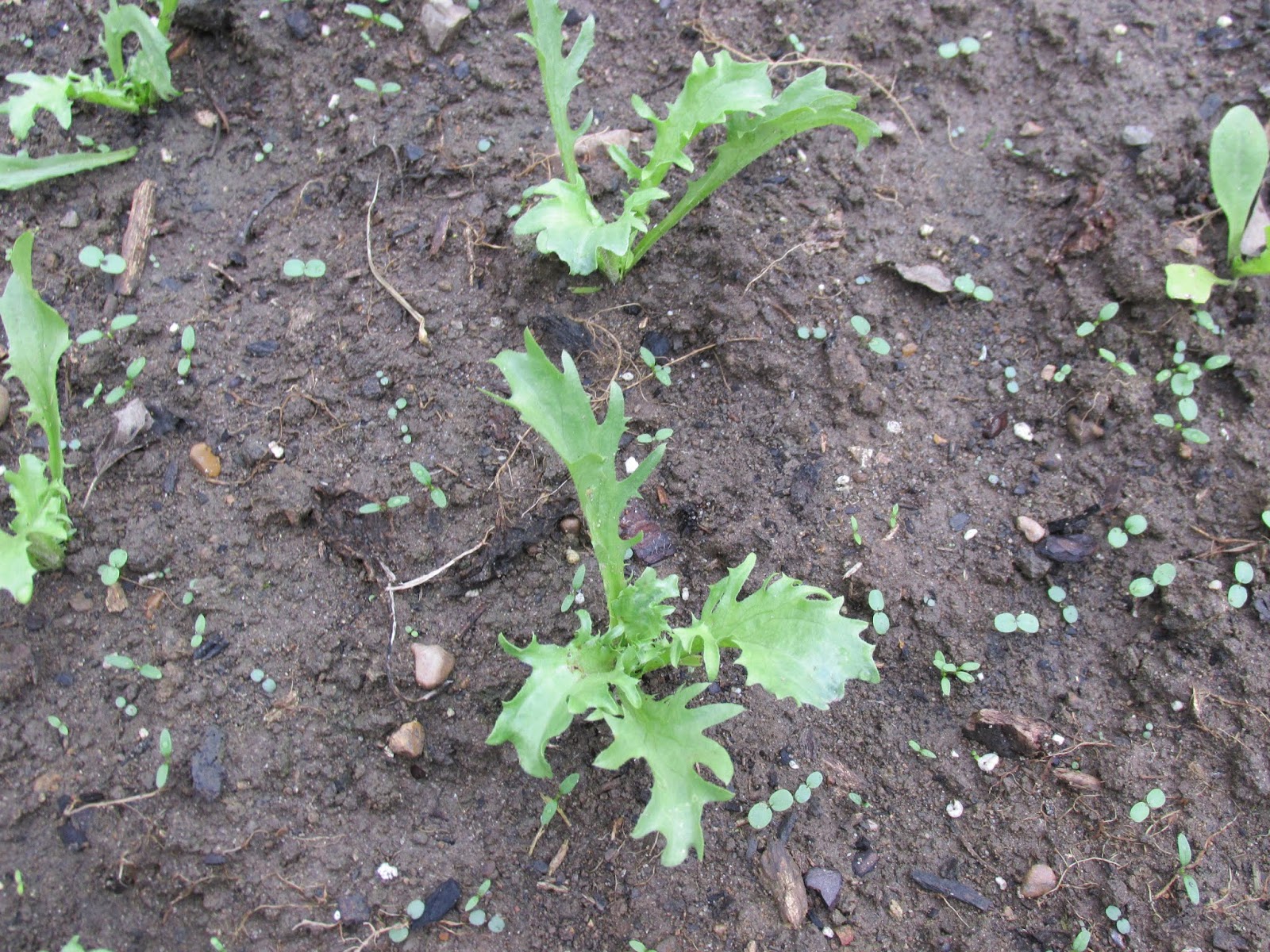
In the bed on the left you can see in front the spoon shaped leaves of tatsoi, after that is the Pot Herb mizuna with it's highly serrated leaves, and then long stately leaves of Mibuna.
The tender yellowy green leaves belong to Fun Jen cabbage. The leaves have a delicate flavor and texture much like lettuce.
An unnamed pak choi is to the left of the dark red leaves of Lady Murasaki mustard spinach, and on the right is Senposai.
From front to back this bed has Mizspoona gene pool, Senposai, Baby choi, Pechay pak choy, Yokatta Na, and Toraziroh.
The pak choys are packed close together so they're not getting exceptionally big. I go ahead and cut whole plants when harvesting to give the other plants some room.
This bed looks like it has quite a few empty spots but in reality it just has some achingly slow growing greens.
Red Veined sorrel at 6 weeks. It's still teeny tiny. I truly doubt it'll get much bigger before the first hard frost which should occur at the end of November or beginning of December.
Color Crunch pak choi mix.
Purple Stem choy sum. Choy sums are usually eaten for their flowering stalks. I've grown this a couple times and never seen it bloom, so we go ahead and harvest the leaves. 
Dragon's Tongue rocket is still tiny tiny tiny. It took a long time to germinate on top of being slow growing.
Green Brigade rocket just seemingly appeared overnight, but still pretty slow.
Garnet Giant mustard. I'm curious to try this variety. 
A bed of mild Asian mustards containing mizun, mibuna, and tatsoi. I'll give them another week before we start harvesting this bed.
Tatsoi is a pretty fast growing. The leaves are nice and tender but sturdier than the other two varieties so hold up to longer cooking. They're probably have a slightly stronger flavor as well.
Pot Herb mizuna is a new to me variety of mizuna. The leaves are shorter and you don't get that long pretty stem that keeps it well off the ground, but it still has the lovely serrated leaves. Mizuna usually has a mild flavor that is not at all pungent.
Mibuna. I find the stems on mibuna and mizuna tender and juicy when cooked. The leaves on mibuna can get pretty long.

I usually prepare greens as a simple side by sautéing with onions and garlic, and then add a splash of nuoc mam and some ground pepper. For a little variation I might add soy sauce and ginger, instead of the nuoc mam.
A bed of endives, chicories, and Simpson lettuce.
Pan di Zucchero chicory
Tres Fine Marairchere Olesh endive
Broad-Leaved Batavian endive
I think this is probably Black Seeded Simpson lettuce. I find lettuce seeds difficult to germinate and keep alive during hot weather, only this lettuce and the Freedom lettuce mix survived to transplant age.
Puntarelle chicory
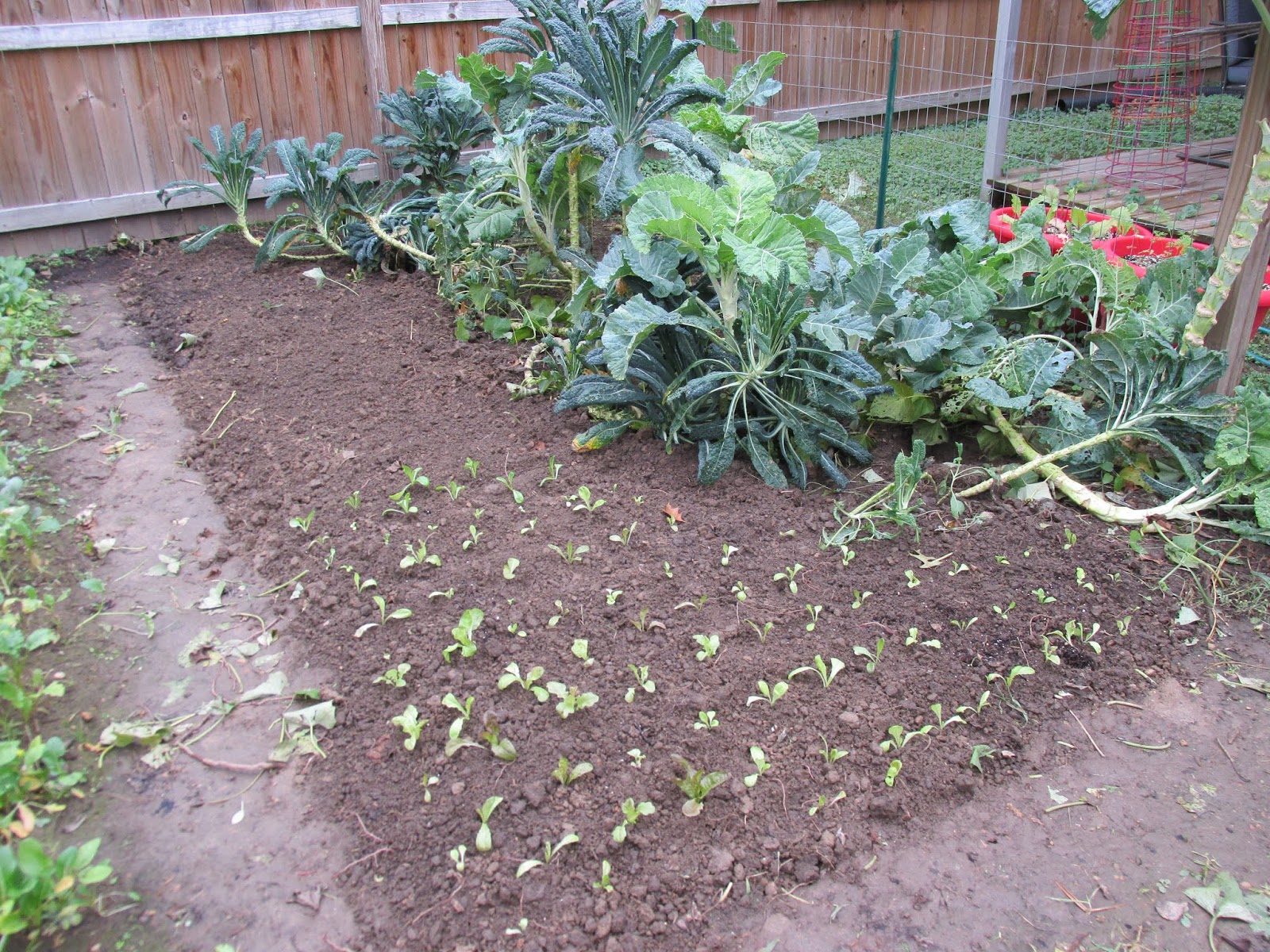
I had just harvested the sweet potatoes from this bed, and then started planting the Freedom lettuce mix the same day but then it began to rain. I've since filled the bed with the rest of the chicories, endives, and lettuce.
The Galega de Folhas Lisas kale and Nero di Toscana kales were planted in the spring and they're still doing great. Although a lot of them have fallen over, especially when I was pulling the sweet potato vines out from under them. The one standing at the post is 4 1/2 feet tall and the leaves are incredibly massive.

Caterpillars love the big leaves of the Galega kale. I had to spray Bt a few times this summer, and then at the very end of the season the grasshoppers were at them. There were a couple harlequin bugs but nothing like previous years where they ended up being terrible infestations.

Looking through these pictures, I realized a couple of beds didn't get covered. One bed held Pink Lettucy mustard gene pool, endive, parsley, and leaf celery. The other bed has a mixture of gai laan, bok choys, and broccoli raab.

The root vegetables will get covered next time. The beets are the best I've ever grown, which isn't saying much, and the carrot tops are the biggest I've gotten while gardening in Kentucky.

August 30, 2018

The Late Summer Vegetable Garden

The sweet potatoes are rampaging through the kale bed behind them, but I've managed to keep them out of the other beds. Once the potatoes get lifted in October, this bed will get planted with chicories and spinach to overwinter.

The flowers of the Purple sweet potatoes are quite pretty and they are everywhere. I've never had Beauregard sweet potatoes bloom, so it was a bit of a surprise.
The kale, especially the Portuguese kale with it's large leaves in the back row, have been eaten up by cabbage caterpillars. I've treated the whole bed with Bt, an organic method of control, a couple of times and they're finally coming back from it.
This was the last zucchini plant in the garden. It had managed to hang on through the hot summer. I went ahead and pulled the plant yesterday because it's infected with Powdery Mildew and squash bugs. The Striato d'Italia zucchini pictured was roasted in the oven with an herb blend and a bit of salt, still sweet and flavorful.
The Siam Queen Asian basil is massive. It usually lasts well into the cold days of fall, we don't actually cook with it but add it to hot bowls of soup. To the right is some parsley and leaf celery, the parsley is a little singed from the heat.
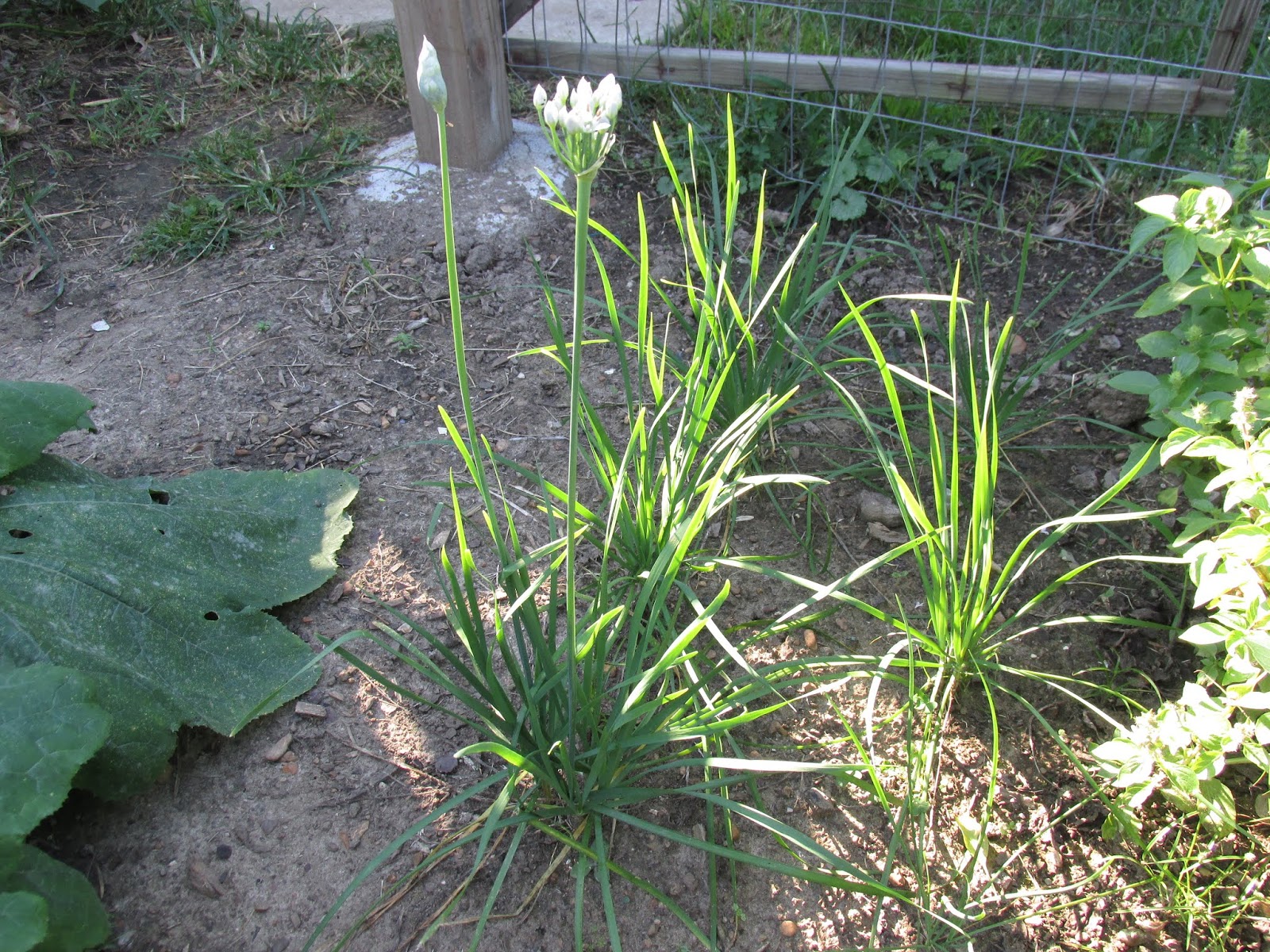
The seven little plants of garlic chives are still alive and the biggest plant is actually blooming. I've seen family friends eat tons of this raw as a garnish to just about every savory dish they consumed. My dad is the same way with hot peppers, he'll alternate bites of hot pepper with normal food during evening meals.
The two pepper beds have merged as one, there's some blooming Italian basil in there as well. We've been getting some heavy rains that keep knocking down a few of the pepper plants, which I'm trying to prop up with bamboo stakes. I've been harvesting enough ripe sweet peppers to have with our lunches, they're prepared by slicing and sautéing with onions and a little salt.
The carrots have come up. Last year they were planted at the end of September which was much too late. Hopefully, this batch was planted early enough to do something. They were planted on the 18th, so it took them awhile to germinate.
The other half of the carrot bed is taken up by radishes. I hope September isn't too hot for them, otherwise they'll end up extra spicy. This bed was seeded on the 18th.
There's 6 different varieties of turnips that were planted in this bed two weeks ago. The two varieties in the front are actually from old seed and took a little longer to germinate.
Half this bed is planted in Gilfeather turnips, which is supposedly a turnip and rutabaga mix. The other half has kohlrabi and fennel.
Newly germinated fennel looks just like carrots, but their cotyledon leaves are a little longer.
I forget how slow growing beets really are, kind of like kohlrabi. The Tall Top Early Wonder beet in the back of the bed was planted June 21st and a few of the roots look ready to pull. Those are leeks in the bed to the right, they'll perk up when it cools down and starts raining regularly.

I've had some trouble with flea beetles this year, which seem to like beets as much as they like eggplants. The garden got treated with beneficial nematodes last week when we had cooler weather, which should help with the flea beetles. I had to wait to the end of summer because nematodes are supposed to be sensitive to heat when they're traveling in the mail system.
This cleared out corn bed will get seeded with all manner of Asian greens and mustards.
I totally cleared out this corn bed yesterday. Our town has a free service where they'll pick up and process non-grassy yard waste into mulch. I just put the corn stalks into the alley for them. The plan is to plant snow peas and snap peas, and then fava beans will go in after them to overwinter.

There's still lots of planting to do for the fall garden. I've got to get greens, peas, and lettuces in soon. Lettuces get pretty dirty from rain splashing soil on them, most people mulch around them or plant them close enough that doesn't happen. My instinct is always to overplant and overcrowd things. When it comes to greens and such, it does seem to help keep them cleaner.

October 17, 2017

Fall Garden Update

It has been a bit strange in the garden lately. The weather has cooled but there are pole beans blossoming. (These are volunteers.)
Volunteer bush beans forming tiny little beans.
With 6 weeks until our first frost, there's even the promise of summer squash to come. They'll certainly be from mixed parentage, possibly even winter squash mixed with summer squash.
I thought it was a little bee hiding in there, but I'm not so sure now.
The rapini needs to be thinned.
Mizuna might be big enough to harvest in a couple weeks.
And even mibuna is gaining some size, there's definitely some fast growing Asian greens out there.
You can see little tatsoi seedlings around the older plants, I just sprinkle extra seed down and tamp down with a rake just in case we want to harvest whole plants instead.
Choy sum grows really fast, right up there with turnip greens and rapini. The whole plant is eaten and they're especially prized for their succulent flowering stalks.
In contrast the sprouting broccoli is a bit slower growing, germination rates are lower, and the seeds more expensive. I'm really hoping they're the same thing I've eaten before at a relatives home.
I don't know if the beets are going to make it. It's really late in the season and they're still pretty small. They're going to get covered with agribon row covers and we'll see what they'll do. Either way, hopefully we'll get some greens out of it.
Red Russian kale are just too adorable with their long spindly stems and serrated leave.
I thought this was supposed to be a frilly leaf lettuce mix, but I can see kale in there and maybe mizuna.
Red Knight mizuna (F1) is a lovely russet color, these were direct seeded almost 3 weeks ago.
Peas had to be reseeded multiple times, but it looks like the older plants might actually produce something.
Turnips are seeded in the same beds as the peas. They'll get thinned once they start bulbing.
10 days ago I seeded more radishes and turnips. I'm really hoping for some delicious gigantic radishes in December.
And I've been, oh so diligently, keeping the carrot bed weeded. But they are incredibly slow growing. I might just have to consider it an experiment that's going in the negative column, and never again plant carrots after August in a north facing garden.

I'm not sure when to start using floating row covers. It's supposed to be in the mid-70's this week (21 degrees Celsius), which seems much too warm for them. I might wait till mid-November.

There's still some planting needing to be done like lettuce and spinach in the greenhouse, and fava/broad beans out in the garden. It's a much calmer pace this time of year, a very peaceful time to be out in the garden.